Introduction
The ongoing confrontation between Iran and the United States has once again placed the Persian Gulf at the center of global strategic discourse. Escalating military posturing, missile exchanges, and heightened diplomatic tensions have raised concerns about the possibility of a prolonged regional conflict. However, historical patterns suggest that conflicts in the Gulf rarely evolve into sustained full-scale wars. Instead, they tend to transition from escalation to strategic containment and eventual negotiation.
Understanding the potential end of the current crisis requires examining not only battlefield dynamics but also the broader strategic, economic, and geopolitical calculations shaping both actors’ decisions.
Historical Context and Strategic Rivalry
The present escalation is deeply rooted in decades of adversarial relations between Iran and the United States. Longstanding issues—including economic sanctions, proxy engagements, and competing visions of regional order in West Asia—continue to define their interactions.
The Persian Gulf remains a critical theater where this rivalry unfolds through indirect confrontation, naval presence, and economic pressure. The current phase reflects a recurring strategic pattern: escalation driven by security concerns, followed by calibrated displays of military capability aimed at deterrence rather than outright war.
For Washington, ensuring freedom of navigation and safeguarding regional allies remain key strategic priorities. For Tehran, projecting resilience and reinforcing deterrence are central to maintaining its regional influence.
As Carl von Clausewitz famously argued, war is an extension of politics by other means. This principle is clearly reflected in the current confrontation, where military actions serve broader political objectives.
Why Prolonged War Remains Unlikely
Despite rising tensions, a long-duration conventional war between Iran and the United States appears strategically improbable.
The United States maintains overwhelming military superiority but remains cautious about engaging in another extended conflict in the Middle East, particularly after its experiences in Iraq and Afghanistan. Moreover, Washington’s strategic pivot toward the Indo-Pacific limits its willingness to commit to a large-scale regional war.
Iran, conversely, avoids direct conventional confrontation. Its defense strategy emphasizes asymmetric warfare, missile capabilities, and regional influence networks. Rather than seeking decisive victories, Tehran aims to increase the cost of conflict for its adversaries.
This strategic asymmetry encourages both sides to demonstrate strength while carefully avoiding actions that could trigger uncontrollable escalation.
Economic Pressures and Global Stakes
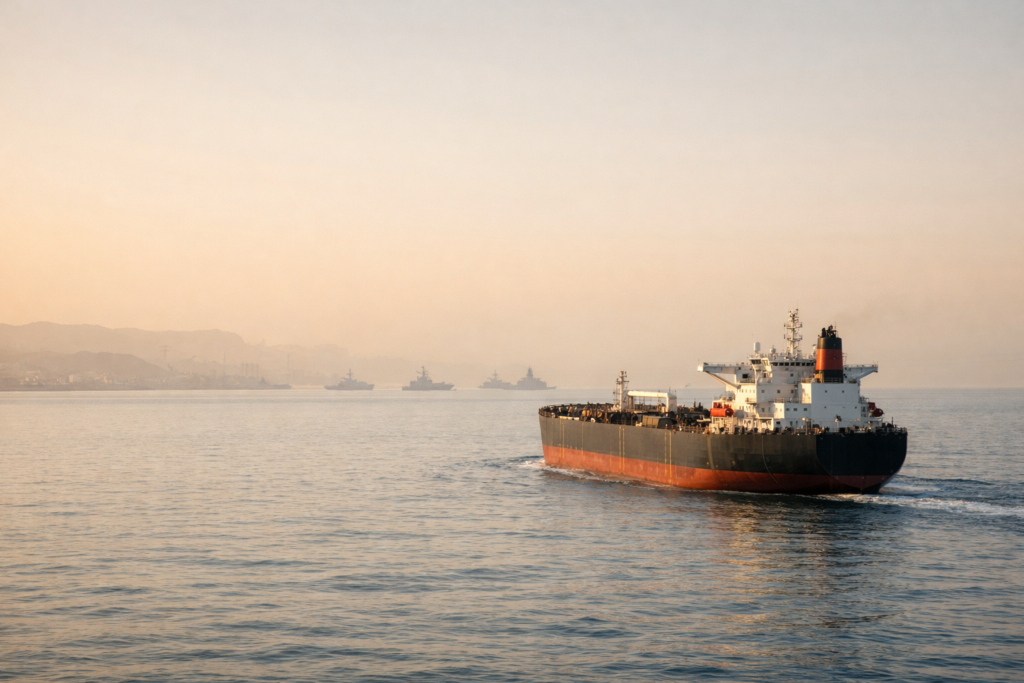
The global economic dimension plays a decisive role in shaping the trajectory of the conflict. The Persian Gulf is one of the world’s most vital energy corridors, with significant oil flows passing through the Strait of Hormuz.
Any disruption in this region has immediate global consequences, including rising energy prices, instability in financial markets, and interruptions in international trade. As a result, major economies across Asia and Europe have strong incentives to prevent prolonged instability.
As noted by Henry Kissinger, international stability often emerges from a balance of interests rather than consensus. In this context, shared economic dependencies are likely to drive diplomatic efforts aimed at de-escalation.
Phases of Conflict and De-escalation Dynamics
Conflicts in the Gulf historically follow a recognizable trajectory:
-
Initial Escalation – Military signaling and demonstrations of strength
-
Limited Engagement – Controlled confrontations alongside diplomatic maneuvering
-
Gradual De-escalation – Mediation efforts by external powers and regional actors
The current confrontation appears to be progressing along this path. Rather than culminating in a decisive peace agreement, it is more likely to transition into a managed state of rivalry where tensions persist but open warfare subsides.
CSSS Strategic Assessment
According to analysis by the Centre for Security and Strategic Studies (CSSS), the present crisis should be understood as a phase of strategic signaling rather than a conventional war.
Three structural factors are expected to shape its outcome:
-
Energy Security Concerns: Sustained disruptions in Gulf shipping routes would intensify global economic pressure for conflict resolution.
-
Role of External Powers: Major global actors with economic stakes in the region are likely to push for de-escalation.
-
Strategic Restraint: Neither Iran nor the United States appears willing to risk the consequences of full-scale war.
This assessment suggests that the current phase of heightened military tension is unlikely to persist indefinitely. Instead, a gradual shift toward controlled de-escalation is the most probable outcome.
Conclusion: Beyond the Current Crisis
While the immediate military confrontation may subside, the broader rivalry between Iran and the United States is expected to endure. The conflict is rooted in deeper structural issues, including regional power competition, ideological differences, and competing security frameworks.
Consequently, the end of the present crisis will likely not mark the resolution of tensions but rather a return to indirect competition through sanctions, proxy engagements, and diplomatic maneuvering.
The history of the Persian Gulf demonstrates a recurring cycle: escalation, temporary stabilization, and renewed tensions. The key challenge for policymakers is not merely predicting the end of individual conflicts, but addressing the underlying dynamics that continue to make the region susceptible to recurring crises.